Podcast: God, Mammon, and Exchange
I joined the “Created in the Image of God” podcast hosted by Wade Fransson to discuss my work on religion and economics.
I joined the “Created in the Image of God” podcast hosted by Wade Fransson to discuss my work on religion and economics.

In this roundtable discussion I joined scholars and practitioners to discuss blockchain, cryptocurrency and religion.
Synopsis:
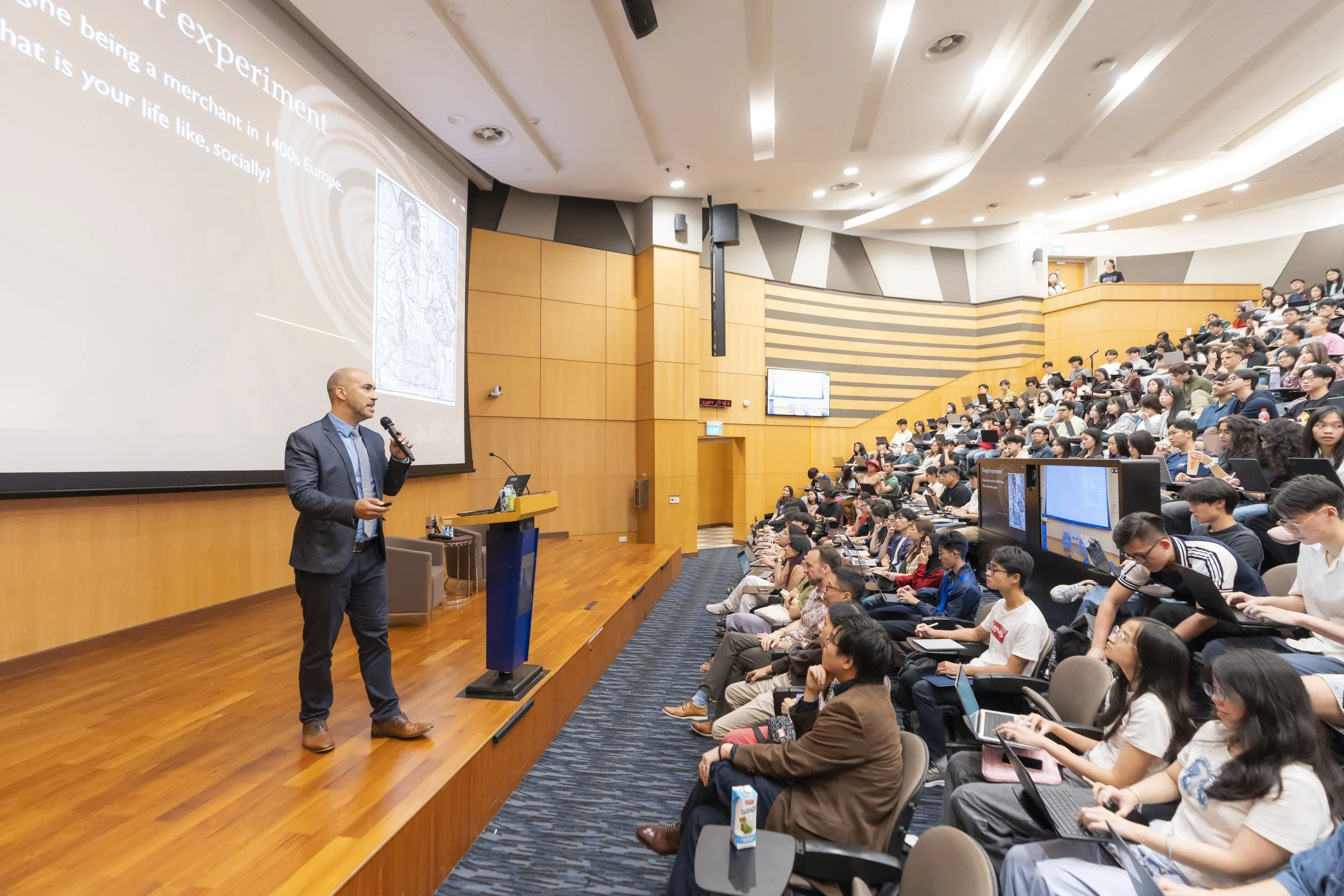
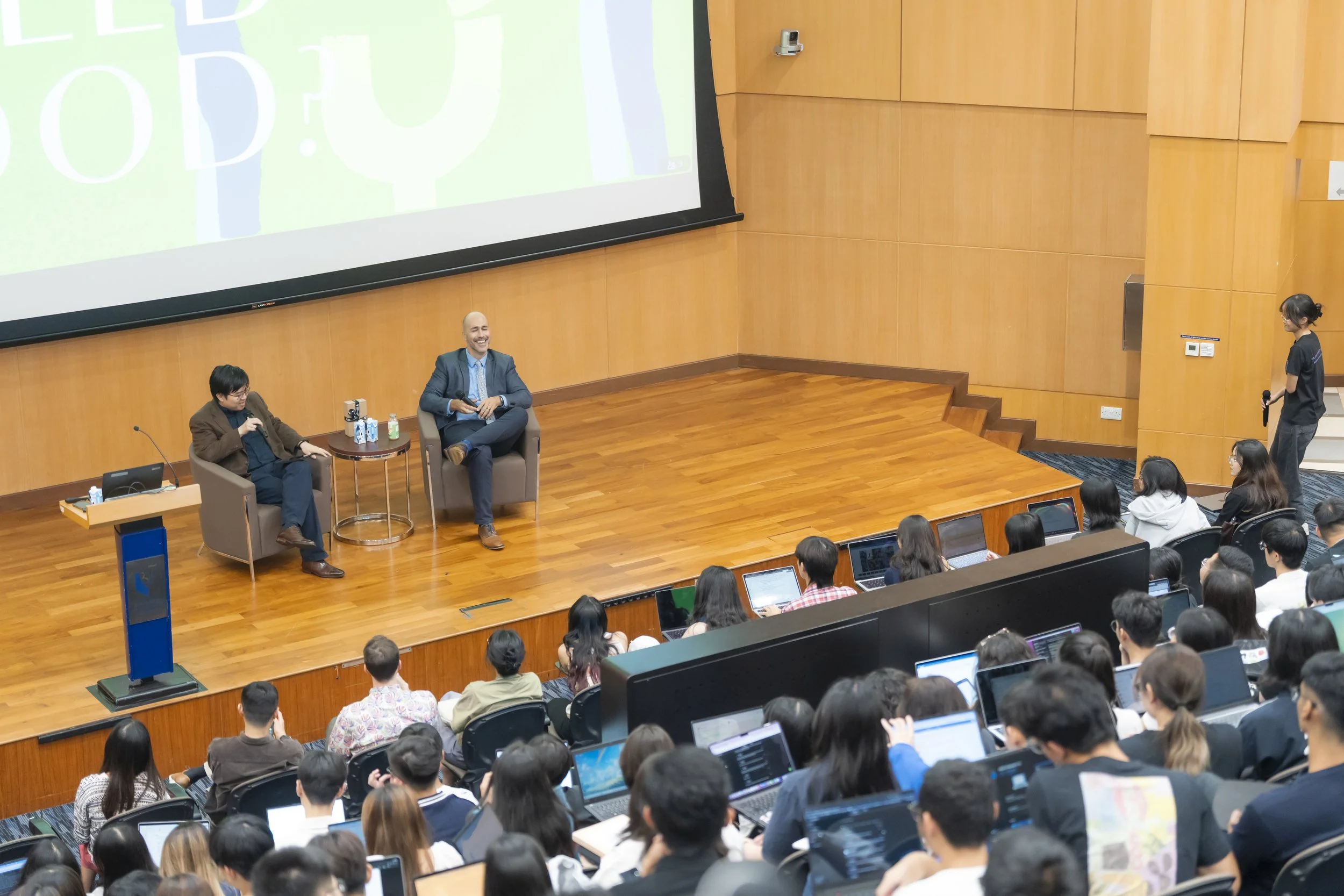
For centuries, Christian theology cast greed and avarice as grave moral failings, corrosive both to the soul and to society. Yet in modern economic thought, a radical reimagining took hold: greed and self-interest were no longer merely vices to suppress, but engines of productivity, innovation, and wealth. How did this shift occur and what does it mean for us today? This lecture recalls the theological and philosophical origins of the idea of beneficial self-interest, as it both used and departed from earlier Christian moral teachings. We examine what “greed” and “self-interest” mean and ask whether they bring satisfaction, fulfillment, and communal connection. We also consider visions of economic life involving cooperation, reciprocity, and mutual flourishing, exploring alternatives to zero-sum competition and the possibility of more humane and sustainable forms of exchange.
I recently joined the great John Caputo for a conversation hosted by GCAS and Creston Davis to discuss the implications of the election of Pope Leo XIV, the first pope from the United States and only second pope hailing from a non-predominantly Catholic country.

Watch to my conversation with Patrick Huey, host of At the Podium with Patrick Huey, as we discuss religion, economics, personal growth, and various other themes.
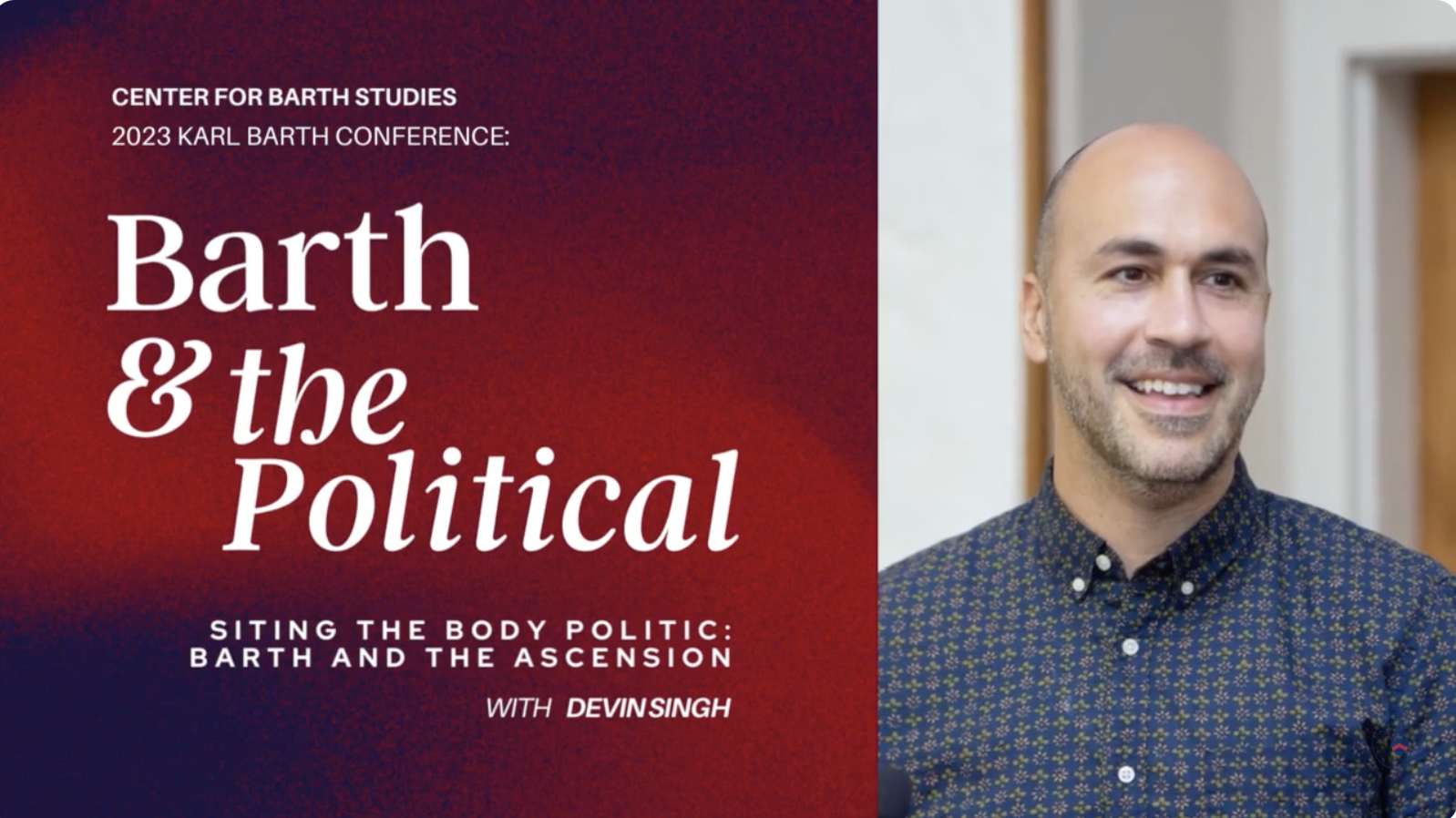
I was happy to deliver an invited keynote for “Barth and the Political,” the Karl Barth annual conference at Princeton Theological Seminary and the Center for Barth Studies, Jun 2023.
I spoke about the suppressed role of the doctrine of the ascension in Christian thought and legacy, and reflected on Barth’s work on this topic.

Together with Michelle Sanchez of Harvard Divinity School, I review and respond to Benjamin Friedman’s recent book, Religion and the Rise of Capitalism.
https://cswr.hds.harvard.edu/news/2021/04/26/video-religion-and-rise-capitalism

Welcome to Rocky Watch: A Series of Public Policy Discussions! Each week we will be broadcasting a live event with a public policy expert. Join us on Zoom to hear the latest and contribute to the conversation with our Q&A at the end of each session.
Is debt a moral issue and should excessive indebtedness in society be challenged and remedied? The financial crisis of 2007-2008—not to mention our current economic crisis—have intensified concerns about growing indebtedness in the US and globally. Economic analyses about the realities of debt are often accompanied by philosophical and ethical language about the need to address such large scale indebtedness, whether through debt cancelation or other interventions.
These ideas have been imparted to us from the ancient world in part through religious traditions that condemn excessive indebtedness and warn of the dangers of usury. Following the thread of these traditions back to the ancient Near East takes us to periods where debt instruments first appear on the scene and become a staple of human civilization.
Examining the conditions of debt’s historical emergence gives us insights into why debt remains so firmly established in our societies. It also complicates projects of liberation from the unjust economic relations that debt creates. In this presentation, Devin Singh will share from his current research into the philosophical, ethical, and religious aspects of debt, making the link to contemporary concerns about the prevalence of debt in modern societies.

I recently spoke with Preston Price at GCAS about my work on theological economics and economic theology. It was a good conversation:

Here’s a video of the lecture I gave on March 22, 2019 at the University of Pennsylvania, hosted by the Collegium Institute for Catholic Thought and Culture. I spoke on how the generation of interest and the generation of children have been conflated and compared at different points in history in various theological and philosophical systems. Maybe one way to resist the onslaught and power of debt in society today is to tease out and separate these interconnections, and undercut the associations between debt and reproduction.

This video is an edited down version of my participation on a panel at Harvard Divinity School on Christianity, Race, and Mass Incarceration, showing my contribution to the discussion. October 20th, 2017.
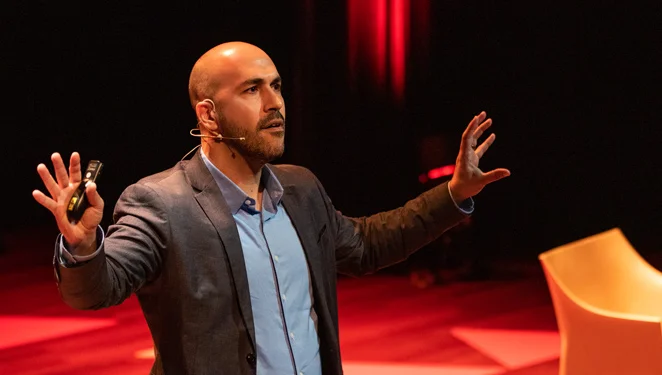
Dec 4, 2018
In this public lecture, for “Radboud Reflects,” a program hosted by Radboud University, Nijmegen, I explain some of the main themes from my book, Divine Currency, and ask how God and greed may be more closely related than we assume.

I recently spent a few days on the campus of Saint Paul's School in Concord, NH, as part of their Chapel Program review committee, where they gathered a team of external reviewers to assess their fulfillment of their mission on campus.
As part of this visit, I was invited to address their community in their morning chapel. This gathering of their entire student body and faculty took place in their impressive and imposing Chapel of St Peter and St Paul. I took the opportunity to speak about a topic that has remained near and dear to my heart for most of my life: anger.
Our attitude toward anger is ambivalent, at best. Usually, it is an emotion and affective state that is feared, resisted, and repressed... until it explodes. In these brief reflections, I suggest a slightly different attitude toward anger, one that recognizes it as a major resource in our lives for change.
I recently participated on a panel as part of a broader conference on Christianity, Race, and Mass Incarceration at Harvard Divinity School:
"Christianity, Race, and Mass Incarceration will gather scholars of various disciplines in conversation alongside activists, organizers, and formerly incarcerated persons. We hope to advance through this workshop a critical study of carceral punishment, especially as it relates to questions of Christian thought and practice, and to provoke awareness and activism around incarceration in America."
After a first, brilliant panel on "Religion and the Historical Roots of US Incarceration" followed by a second, equally brilliant and hard-hitting panel on "Race and Religion in Modern Mass Incarceration," the third panel was a "Theology and Humanities Roundtable" where scholars shared their perspectives on how their work relates to this pressing social and conceptual problem.
On the panel, I was accompanied by Michelle Sanchez, Todne Thomas, Cornel West, and Andre Willis:

Pictured: Cornel West, Devin Singh, Todne Thomas, Andre Willis, Michelle Sanchez
My brief remarks, titled "Guilty Debt? The Economy of Carcerality" emphasized the role of debt in supporting imaginaries that deem pain and punishment an appropriate "repayment" for crimes committed and that construe indebtedness as moral culpability and guilt.

I also asked whether Christian theories of salvation that make repayment of the "debt" of sin a central piece might not be reinforcing this broader social imaginary that sacralizes and centers on debt. Can we rethink salvation outside of the terms of redemption, recompense or repayment?

Watch the full video of this particular panel: